

Deep Greens. Pure Peaks. Natural Spirit. YAMAGATA - Where Mountains Shape Lives
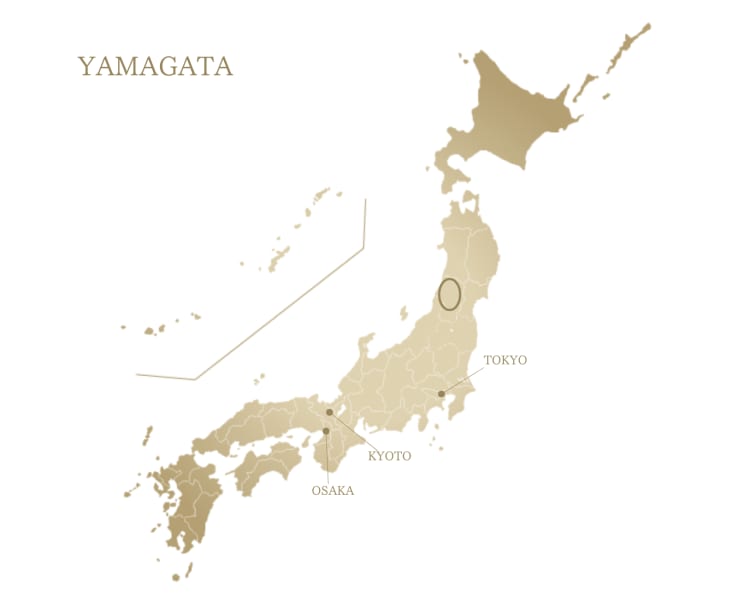
Cradled by the sacred Dewa Sanzan mountains and the Azuma mountain range, crossed at its heart by the Mogami River and bordered to the west by the Sea of Japan, Yamagata Prefecture is a place where geography does more than define scenery — it shapes spirit, culture, and ways of living.
Here, mountains are not distant backdrops but constant presences, forming a landscape in which people and nature have shaped one another for centuries. Yamagata can be understood as a land where mountains and people together form the heart and philosophy of life.
The prefecture’s terrain is dramatic and varied. Forested peaks rise in deep greens through spring and summer, alpine ridges glow with fiery foliage in autumn, and heavy winter snows transform entire regions into hushed white worlds. The climate’s sharply defined four seasons dictate food, rituals, architecture, clothing, and local rhythms of life. Snowmelt feeds rivers and rice fields. Mountain herbs signal the arrival of spring. Mist and steam drift from hot springs in winter, offering warmth amid snow-laden landscapes.
Yet Yamagata’s identity is not defined by environment alone. Culture here has grown in close dialogue with nature. Mountain worship and Shugendo — a syncretic spiritual tradition combining Shinto, Buddhism, and animistic belief — have shaped local values for over a millennium. The Sea of Japan coast fostered port towns that linked Yamagata to wider trade networks, bringing cultural exchange and maritime traditions. Inland, the Mogami River basin and surrounding plains developed into one of Japan’s great rice-growing areas, nurturing an agricultural culture rooted in seasonal cycles, cooperation, and respect for land and water.
In Yamagata, spiritual practice, food culture, and daily life remain deeply tied to the natural world. Mountains are places of pilgrimage, rivers are lifelines, and fields are both workplace and sacred ground.

Deep Green Peaks: Sacred Mountains and Living Traditions
At the spiritual core of Yamagata stand the Dewa Sanzan , the three sacred mountains that have drawn pilgrims for over 1,400 years. Comprised of Mount Haguro, Mount Gassan, and Mount Yudono, these peaks form one of Japan’s most important centers of mountain worship and Shugendo practice.
Traditionally, pilgrims would visit the three mountains as a symbolic journey through life, death, and rebirth. Mount Haguro represents the present world, Mount Gassan the realm of the afterlife, and Mount Yudono rebirth. The act of climbing stone steps, passing through towering cedar forests, and entering sacred precincts is both physical and spiritual.
The approach to these sacred sites is an experience in itself. On Mount Haguro, visitors ascend nearly 2,500 stone steps, many centuries old, shaded by immense cedar trees. Moss-covered lanterns and shrines line the path, and the air is cool and fragrant. At the summit stands Sanjin Gosaiden, a grand shrine dedicated to the deities of all three mountains. Such journeys reveal how nature and faith are interwoven: the forest is not merely scenery but sacred space.
This spiritual heritage is not confined to the past. Ascetic mountain practitioners known as Yamabushi continue to train in these landscapes. Programs such as Yamabushi Reset Training offer modern participants a chance to engage in elements of Shugendo practice, including mountain walking, meditation, chanting, and rituals that emphasize humility before nature.
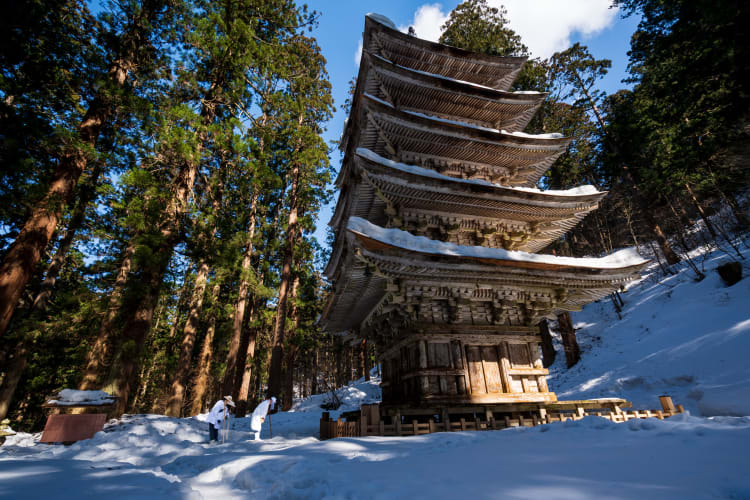
Yamabushi Reset Training
Lodging facilities such as Saikan, historically linked to mountain worship, allow visitors to experience aspects of pilgrim life. Here, shojin ryori (Buddhist vegetarian cuisine) is served using seasonal mountain vegetables, wild plants, and simple preparations that highlight natural flavors. Meals are extensions of spiritual practice, serving as expressions of gratitude for nature’s bounty and reminders of moderation and mindfulness.
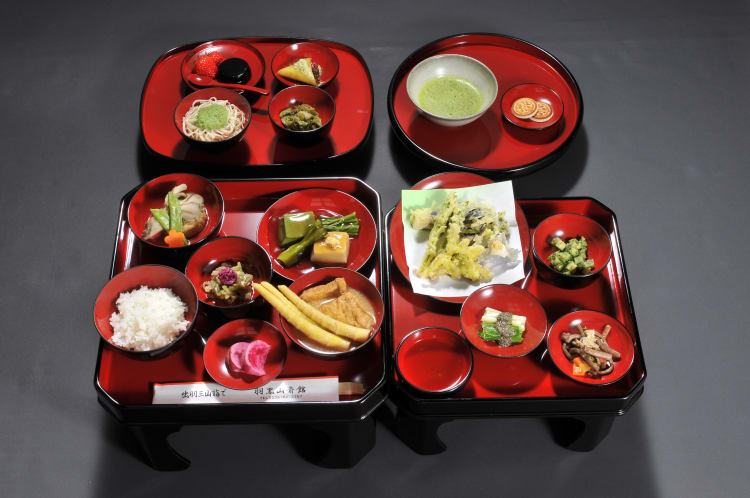
Shojin Ryori
Guided experiences like the tour of Yamadera led by the Yamaderans further illuminate this relationship between people and sacred landscapes. At Yamadera (Risshaku-ji Temple), perched dramatically on a mountainside, stone steps wind past halls clinging to cliffs. The climb encourages quiet reflection, and the sweeping views from the top evoke both physical and mental expansiveness.
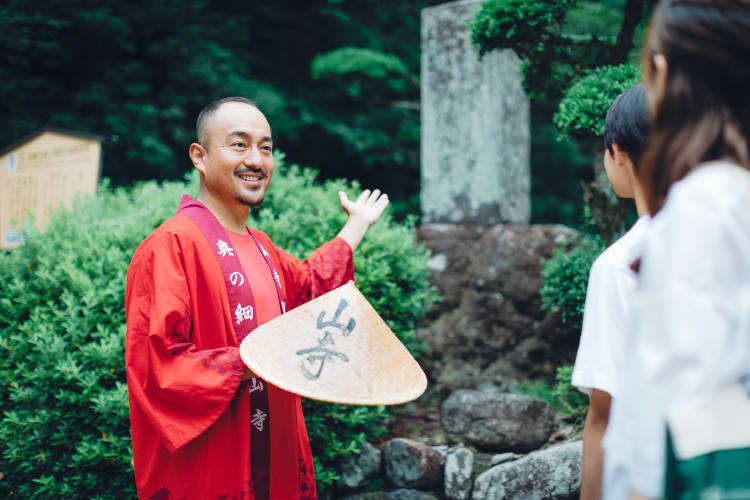
Yamaderans
Through these practices — climbing, praying, eating seasonal mountain foods, and participating in rituals — visitors encounter Yamagata’s core values: reverence for nature, endurance, humility, and the understanding that human life is part of a larger, living environment.
Snow, Steam, and Summer Greens: Retreats in Yamagata
Yamagata’s retreat culture blends spiritual heritage with the restorative power of hot springs and mountain environments. It is a place where one can experience both contemplative stillness and physical renewal.
Yamagata also offers retreats rooted in mountain worship traditions. Shukubo Daishinbo, a temple lodging associated with Dewa Sanzan faith, provides an experience that bridges the spiritual practices described earlier with modern needs for rest and reflection. Historically, shukubo housed pilgrims; today, they welcome travelers seeking quieter, more meaningful stays. Guests may participate in morning prayers, enjoy shojin ryori meals, and spend time in forests that have long been regarded as sacred.
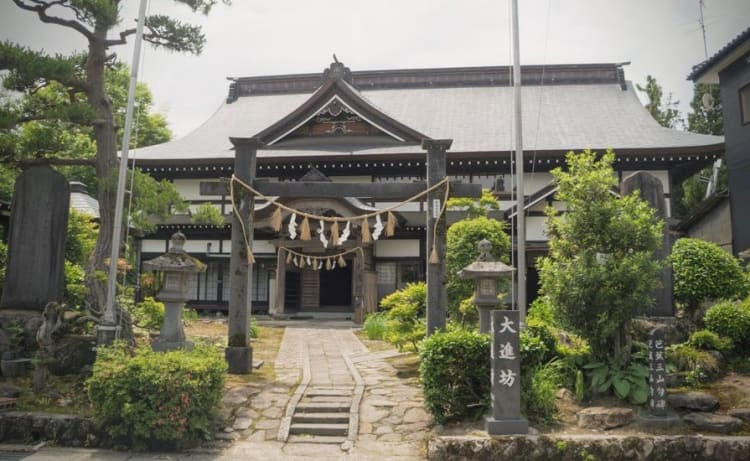
Daishinbo
This fusion of spiritual retreat and hot spring culture is a defining feature of Yamagata. One can meditate in cedar forests in the morning, soak in mineral waters in the evening, and sleep in traditional architecture that echoes centuries of pilgrimage history. In summer, mountain breezes and green slopes create cool refuges from urban heat. In winter, snow deepens the sense of enclosure and stillness, while steam from baths offers warmth and comfort.
Beyond these traditional roots, the prefecture is dotted with accommodations that offer a modern approach to experiencing the region's charms.Located in Akayu Onsen, Yamagata the Takinami embraces the concept of being a "Showcase of Yamagata." Here, guests can experience a "gastronomy retreat" designed to revitalize the body from the inside out, featuring local ingredients prepared in a lively open kitchen and free-flowing hot spring waters fresh from the source.
Meanwhile, on the Shonai Plain stands Shonai Hotel Suiden Terrasse, designed by architect Shigeru Ban. True to its name, this hotel is designed to appear as if floating on rice paddies , harmonizing beautifully with the rural landscape that changes expressions with the seasons. Visitors are invited to experience a retreat set against this backdrop of Japan's stunning pastoral scenery.
River, Sea, and Fields: Yamagata’s Seasonal Cuisine and Crafts
Yamagata’s food culture arises from its geography: mountains, river, sea, and fertile plains. The Mogami River, once a major transport route, carried goods and ideas through the region. The Sea of Japan coast connected Yamagata to maritime trade. Mountain slopes provided wild plants and game, while basins and plains became celebrated rice-growing areas. Over time, these elements combined to create a diverse and sophisticated culinary landscape.
Historically, harsh winters encouraged preservation techniques such as pickling and fermentation. Mountain villages relied on sansai (wild mountain vegetables) in spring and mushrooms in autumn. Coastal communities developed seafood traditions, while inland farmers cultivated high-quality rice, forming the base of many regional dishes. This layered history has produced a food culture that is both rooted in necessity and refined by creativity.
Today, this heritage is expressed in both traditional and contemporary forms. The restaurant Al ché-cciano exemplifies innovative cuisine grounded in local ingredients. Its dishes reinterpret regional produce — vegetables, meats, and grains — with modern techniques, demonstrating how Yamagata’s food culture continues to evolve while honoring its environment.
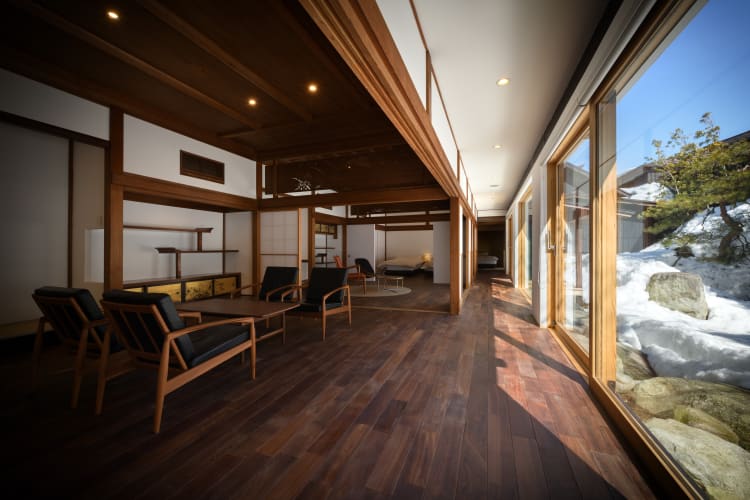
Yamagata the Takinami
Viticulture has also taken root. At Pino Collina Farm Garden & Winery Matsugaoka, visitors encounter another dimension of Yamagata’s agricultural development. Vineyards thrive in the region’s climate, and wineries produce distinctive wines that reflect local terroir. Farm gardens, seasonal produce, and carefully crafted products showcase the prefecture’s shift toward diversified, high-quality food production.
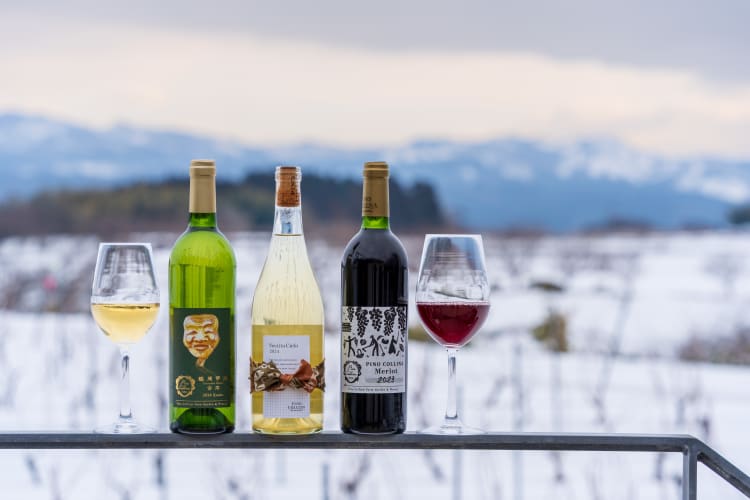
Pino Collina Farm Garden & Winery Matsugaoka
In Yamagata, mountains, water, and people remain in dialogue. Whether through pilgrimage paths, steaming baths, seasonal meals, or crafted goods, life here is shaped by landforms that inspire reverence and resilience. It is a prefecture where nature is not a resource to be used but a presence to live alongside, a place where deep greens, pure peaks, and natural spirit still guide the heart.
